Column · @gunneryfep652
How Home Care Teams Coordinate Nutrition, Medication, and Hygiene for Senior citizens
Business Name: FootPrints Home Care
Address: 4811 Hardware Dr NE d1, Albuquerque, NM 87109
Phone: (505) 828-3918
FootPrints Home Care
FootPrints Home Care offers in-home senior care including assistance with activities of daily living, meal preparation and light housekeeping, companion care and more. We offer a no-charge in-home assessment to design care for the client to age in place. FootPrints offers senior home care in the greater Albuquerque region as well as the Santa Fe/Los Alamos area.
4811 Hardware Dr NE d1, Albuquerque, NM 87109
Business Hours
Keeping an older adult safe and prospering in your home is not about something done well. It is elder care about a variety of small, crucial jobs that should mesh: meals on time, tablets taken correctly, bathing without falls, skin kept healthy, and changes observed early. In well-run in-home senior care, nutrition, medication, and hygiene are not different checkboxes. They form a single rhythm of care.
I have seen families handle magnificently with modest expert assistance, and I have actually seen things unwind when those three locations are dealt with in seclusion. The distinction is generally coordination. Not more hours, not more innovation, but clearer regimens, much better communication, and shared expectations.
This is specifically true when senior citizens are identified to age in place and households are comparing choices for home care for parents, whether in a big metro area or someplace like Albuquerque, where adult children may live across town or in another state entirely. The right senior home care team works as a system around your parent, even if their visits are staggered and some members are just there once a month.
Below is how strong groups actually collaborate nutrition, medication, and hygiene in real homes, with the trade-offs and practical realities that households rarely see on a brochure.
Starting point: a practical image of life at home
Before any routine can be created, the team needs an honest view of what your parent is doing, and not doing, by themselves. Agencies use different assessment tools, however the compound is similar.
A great nurse or care manager does not begin with a clipboard at the cooking area table. They begin by quietly seeing how your parent moves through their area. Does they hold onto furniture as they walk from living space to kitchen area. How far is the bathroom from the bed room. Exist get bars, good lighting, non-slip mats. Is the fridge filled with actual food or primarily ended leftovers.
Conversation then completes what observation can not: what your parent thinks they can, what they value most, and where they are currently making trade-offs. An 88-year-old may demand bathing themselves, for example, but confess they just shower as soon as a week due to the fact that they hesitate of falling. Or they may "never miss a dosage" of medication, yet their tablet organizer shows Tuesday and Wednesday still full on Thursday afternoon.

At this stage, nutrition, medication, and hygiene are mapped together. For instance:
- Poor appetite may be connected to nausea from a new members pressure medication.
- Refusal to bathe might link to joint discomfort that is also restricting grocery shopping and cooking.
- Dehydration might be raising the danger of urinary system infections, which in turn increase confusion and medication errors.
The assessment is less about single issues than about patterns, since efficient elder care in the home depends on comprehending how one issue ripples into the next.
Building a care strategy that in fact holds together
The composed care plan is where coordination becomes visible. It is far more than "prepare lunch" or "assist with shower twice weekly." When done well, it works as a script and a safeguard for everyone included: caregivers, nurses, therapists, and family.
A strong strategy that incorporates nutrition, medication, and hygiene generally has a couple of common functions:
First, it sets concerns. Perhaps the physician is stressed over unrestrained diabetes, while the child is most distressed about falls in the bathroom, and the senior just wishes to keep cooking as long as possible. The care supervisor has to rank what can not wait, what can flex, and how to resolve several objectives with one change. For example, a shower chair with a hand-held shower not just decreases fall risk however also decreases tiredness, which can enhance hunger and the capability to prepare simple meals.
Second, it puts tasks on a timeline that makes good sense for the body, not just the schedule. Many medications need to be taken with food, or a minimum of not on an empty stomach. That means the strategy might require a light snack before the early morning pill routine, or for the caretaker to prepare breakfast, then timely medications before leaving. Hygiene can be placed where energy is highest. Some elders endure a complete shower only in mid-morning, after coffee and a small meal, not at the end of a strenuous day.
Third, it assigns roles plainly. In a normal in-home care plan, you may have individual caregivers dealing with everyday visits, a competent nurse dropping by weekly for medication management, and possibly a physiotherapist twice a week. The plan needs to define, for instance, that the nurse will fix up medications with the physician's orders and upgrade the tablet coordinator, while caregivers will document dosages taken and any side effects noted throughout or after meals.
Families are often amazed at how detailed a great strategy can be. It may define how to encourage fluids during breakfast (favorite mug, half-strength juice if plain water is done not like), the specific order of actions in a shower to lessen standing time, or how to position pills and water to accommodate tremblings from Parkinson's disease. The point is not intricacy for its own sake. It is consistency. Consistency is what keeps your parent steady across shifts and across weeks.
Daily truth: how caregivers mix jobs in the home
From the caregiver's viewpoint, coordination occurs minute by minute. They stroll into your home with a list of jobs, however the art depends on weaving them together without making your parent feel hurried or patronized.
A common early morning visit in senior home care may look something like this, with nutrition, medication, and hygiene intertwined rather than separated:
The caregiver gets here and checks in with your parent about sleep, pain, and any overnight modifications. Those few minutes of conversation are not small talk. They are a fast clinical screen. Poor sleep or brand-new dizziness may call for extra care in the shower or closer tracking after medications.
While coffee or tea is developing, the caretaker may assist your parent through a short bathroom visit, handwashing, and tooth brushing. This supports hygiene while the kitchen area work starts. They may then prepare an easy, familiar breakfast, remembering any limitations such as low-sodium or carb regulated cooking. During this time, they quietly scan the refrigerator and pantry, keeping in mind food quality, ended items, and what staples are running low.
Once your parent is seated and consuming, the caretaker checks the medication organizer and care notes from prior shifts. If morning meds are suggested to be taken mid-meal to avoid queasiness, that timing is followed, and the caretaker stays neighboring to confirm each tablet is really swallowed. They record any rejection or problems, maybe a brand-new cough or headache, which may be associated with medication or dehydration.
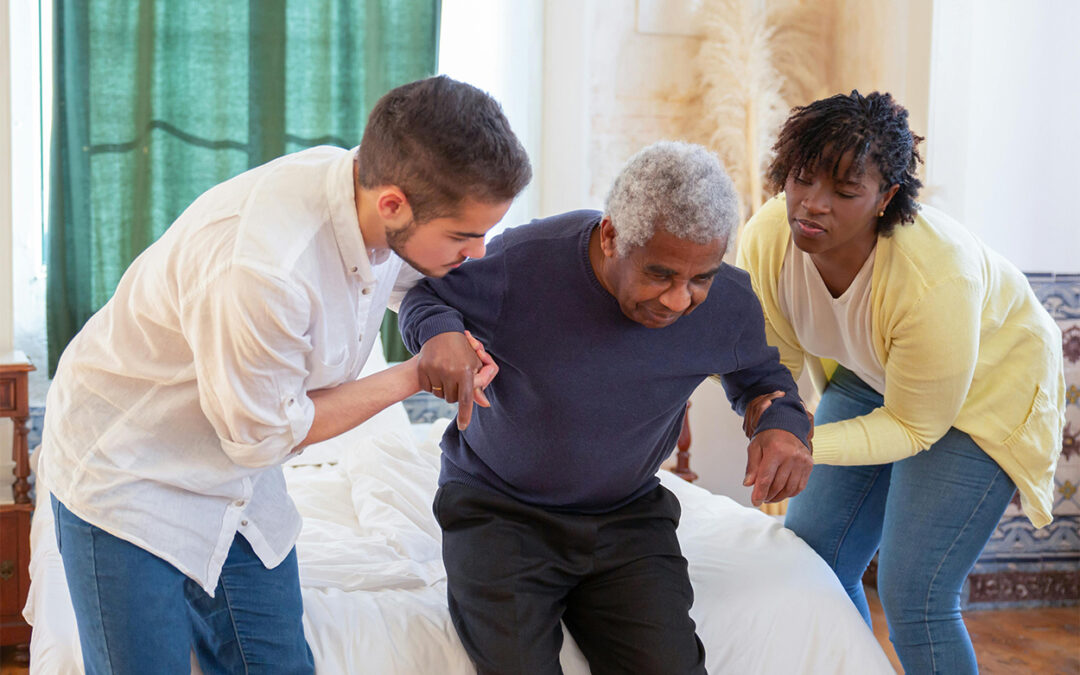
After breakfast and medication, hygiene support can be scaled to the agreed level of help. Some customers only need standby assistance for safety, others require complete hands-on support with bathing, dressing, and grooming. The caretaker advises your parent to utilize the toilet before showering to minimize urgency mishaps during bathing, then sets up the environment: non-slip mat, towel within easy reach, get bars looked for strength, water temperature level tested. They secure skin with gentle soaps and comprehensive however soft drying, paying extra attention to skin folds, pressure points, and any known problem areas.
Throughout, the caretaker is multi-tasking mentally. They are looking for shortness of breath in the shower, which might be a sign of cardiac arrest worsening. They are noting whether your parent can raise their arms to clean their hair, which matters not just for hygiene however for the ability to dress individually. They are examining whether swallowing pills appears more difficult today, which may affect nutrition if chewing and swallowing are becoming difficult with food as well.
By the time the visit ends, the caregiver has actually touched all 3 domains, left the home cleaner and much safer than they found it, and included fresh, precise notes that the remainder of the home care group will rely on.
Medication management: the backbone of stability
Medication issues are among the most common factors older adults land in the medical facility. In home care, handling tablets safely is not optional. It is main to keeping your parent at home.
A few practices separate typical in-home care from truly safe elder care in this area.
Medication reconciliation is the very first. At the start of services, and any time your parent sees a new physician, the nurse or care manager should compare every present prescription bottle, over the counter remedy, and supplement with the medication list in the medical record. Inconsistencies prevail. Maybe an expert increased a dosage however the primary care list was never upgraded. Maybe your parent stopped a medication weeks earlier since it made them lightheaded, but the drug store keeps auto-filling it.
Pill organization must fit the person. Weekly tablet coordinators prevail, but not constantly perfect. For someone with cognitive impairment, specific dosage loads that integrate all early morning pills in one sealed packet can decrease mistakes. For another person with arthritis, large, easy-open bottles and a caregiver-led setup once a week might be better. In all cases, the system needs to link medication times with meals and hygiene routines so they feel natural rather than intrusive.
Monitoring side effects suggests caregivers are trained to link signs with prospective medication concerns. Increased confusion may signify a urinary system infection, however it can likewise reflect anticholinergic adverse effects from certain allergic reaction or bladder medications. Irregularity is not just a convenience issue. It can reduce hunger, hinder appropriate absorption of other meds, and increase fall danger throughout straining.
Communication loops matter just as much as the pills themselves. In a well-run senior home care program, caregivers do not merely keep in mind "medications taken" and proceed. They are anticipated to report patterns: duplicated rejections of a bitter-tasting pill, lightheadedness within an hour of blood pressure doses, queasiness that reduces hunger. The nurse then relays this to the recommending clinician, who might change timing, dose, and even the medication itself.
Families in some cases undervalue just how much medication management shapes both nutrition and hygiene. For instance, sedating medications make an early morning shower risky. Pain inadequately managed over night lowers hunger at breakfast. Diuretics offered late in the day increase nighttime restroom journeys, which in turn lead to fatigue and skipped early morning jobs. Care teams that think in systems, not silos, prepare around these effects.
Nutrition: more than calories and recipes
In elder care, nutrition is about maintaining strength, preventing complications, and making life more pleasurable. Weight-loss, muscle wasting, and dehydration undercut every other element of care, from wound recovery to mood.
In-home senior care companies look at nutrition on numerous levels.
At the most fundamental, can your parent access and prepare food. That consists of the practical steps many people forget to ask about: reading labels with aging eyes, raising pots, standing enough time at the stove, and chewing securely with aging teeth or dentures. A frail senior living alone in Albuquerque, for example, might count on meals-on-wheels deliveries for the primary hot meal, with caretakers focusing on breakfast, hydration, and light evening snacks that fit their choices and prescriptions.
Beyond logistics, caregivers try to work with rather than against long-standing food practices. Telling a 90-year-old who has actually eaten red chile with everything for 70 years that they need to suddenly follow a bland heart diet hardly ever works. A more reasonable technique is portion control, steady flavoring changes, or including herbs and citrus instead of salt. Caretakers might prepare smaller, more frequent meals for someone on diuretics who feels too complete or brief of breath after large portions.
Medication regimens often dictate timing and structure of meals. Certain blood pressure meds, for example, may intensify lightheadedness if taken without adequate fluid. Blood slimmers communicate with vitamin K rich foods, which does not imply prohibiting green veggies however keeping consumption consistent. Diabetes management depends heavily on not just what is consumed but when, in relation to insulin or other medications. Coordination here is not theoretical. It is scheduling on the ground so that breakfast and pills happen in a safe sequence.
Hydration is worthy of special attention. Many older adults purposefully drink less to avoid frequent restroom trips, specifically if they feel unstable. That option increases infection threat, intensifies irregularity, and can intensify adverse effects from medications. Knowledgeable caregivers attend to the worry behind the behavior by combining hydration strategies with toileting assistance and restroom safety measures.
Hygiene and self-respect: safety without infantilizing
Hygiene in senior home care is about far more than keeping somebody looking cool. It is about maintaining skin stability, avoiding infections, keeping comfort, and safeguarding dignity.
Assessing hygiene requirements starts with understanding what your parent is genuinely able to do on their own. There is a substantial distinction between a person who requires assistance stepping into the tub however can still clean and dry themselves, and someone who can not securely stand at all. The goal is always to protect the maximum possible independence while quietly preventing harm.
Care teams usually change hygiene regimens to energy levels and safety issues. For instance, someone with severe arthritis might shower every other day instead of daily, with additional attention to everyday "leading and tail" cleaning, incontinence care, and oral hygiene. An individual with cardiac arrest who gets out of breath with warm showers might do better with much shorter, lukewarm showers and seated sponge baths on alternate days.

Environmental adjustments can make or break success. Get bars, shower chairs, handheld shower heads, non-slip surface areas, and even simple things like clear courses to the bathroom reduce the physical load on both the senior and the caretaker. In areas with tough water, consisting of parts of New Mexico, mild soaps and routine moisturizers help combat dryness that can lead to skin breakdown.
Dignity is non-negotiable. Trained home caretakers learn to tell what they are doing, keep the person covered as much as possible, and deal options within the regimen: which hair shampoo, which towel, whether to shave before or after the shower. They likewise discover when to go back. If your parent is still safe cleaning their face while seated, the caretaker must let them do it, even if it takes longer. That small act of autonomy frequently equates into better state of mind, better cravings, and more cooperation with care overall.
How groups really collaborate: interaction routines that work
From the outside, households see private visits. From the inside of a high-functioning company, coordination rests on disciplined interaction, both official and informal.
Daily documents is the backbone. Caregivers tape-record what was done, what was consumed, which medications were taken or refused, and any changes in movement, state of mind, or condition. In contemporary home care, this is typically participated in an electronic system in genuine time. A nurse or care supervisor then reviews notes routinely and searches for patterns: steady weight loss, repeated missed out on supper dosages, or increasing resistance to bathing.
Verbal handoffs in between caregivers can be just as important as written notes. A quick telephone call or face-to-face update throughout a shift overlap may cover things that are tough to catch in documents, such as, "She did much better when I offered her tablets with yogurt rather of water," or "He is more cooperative with showers if we play his preferred music."
Regular case reviews, sometimes called interdisciplinary team conferences, help align the larger group. For an intricate customer, the nurse, caregivers, and sometimes a dietitian or therapist might discuss modifications together. For example, if a client consistently feels too fatigued for afternoon showers, the group may move bathing to mornings, somewhat adjust meal timing, and ask the physician about tweaking medication schedules to decrease mid-day sedation.
Family involvement reinforces or damages this whole system. When adult children in Albuquerque or somewhere else respond promptly to concerns, go to occasional care conferences by phone or video, and keep providers notified about brand-new diagnoses or healthcare facility visits, the care strategy remains realistic and safe. When relative independently override agreed routines, such as doubling up on medications or significantly changing diet plans without consulting the nurse, coordination fractures.
When something is off: warnings households ought to watch
Families do not need to micromanage care, however they should take note of a few key signals that coordination might be slipping.
Here are useful warning signs:
- Pill bottles stay complete, yet your parent declares to never miss a dose.
- You see new swellings, skin breakdown, or strong body odor, regardless of regular caregiver visits.
- Weight drops noticeably over a month or 2, or clothes begin hanging loose.
- Your parent seems much more baffled or unstable after particular visits, or at particular times of day.
- Different workers offer conflicting answers about who manages medications or who is accountable for bathing.
Any of these can be attended to, but only if raised. A direct conversation with the company's nurse or care manager, grounded in particular observations, normally causes a clearer plan and often to retraining or reassigning staff.
Making coordination genuine in your parent's home
For families taking a look at in-home look after parents, specifically in communities where lots of seniors wish to age in the house, such as Albuquerque, a couple of concrete concerns help expose how well a potential provider collaborates these essential areas.
You may ask how they build care strategies that link meals, medication times, and hygiene regimens. Ask who is ultimately responsible for medication reconciliation and how typically it is reviewed. Ask what training caretakers receive on nutrition, skin care, and acknowledging early indications of infection or drug responses. And ask how they loop households into modifications, both urgent and gradual.
The best suppliers of home care and elder care do not guarantee that your parent will never skip a meal, balk at a shower, or forget a pill. Reality does not work that neatly. What they can provide is a thoughtful, versatile system that notifications quickly, understands the connections among nutrition, medication, and hygiene, and changes with your parent's changing needs and preferences.
That sort of coordination is not attractive, however it is typically what keeps an older adult not just in your home, but living there with convenience, self-respect, and as much self-reliance as their health allows.
FootPrints Home Care is a Home Care Agency
FootPrints Home Care provides In-Home Care Services
FootPrints Home Care serves Seniors and Adults Requiring Assistance
FootPrints Home Care offers Companionship Care
FootPrints Home Care offers Personal Care Support
FootPrints Home Care provides In-Home Alzheimer’s and Dementia Care
FootPrints Home Care focuses on Maintaining Client Independence at Home
FootPrints Home Care employs Professional Caregivers
FootPrints Home Care operates in Albuquerque, NM
FootPrints Home Care prioritizes Customized Care Plans for Each Client
FootPrints Home Care provides 24-Hour In-Home Support
FootPrints Home Care assists with Activities of Daily Living (ADLs)
FootPrints Home Care supports Medication Reminders and Monitoring
FootPrints Home Care delivers Respite Care for Family Caregivers
FootPrints Home Care ensures Safety and Comfort Within the Home
FootPrints Home Care coordinates with Family Members and Healthcare Providers
FootPrints Home Care offers Housekeeping and Homemaker Services
FootPrints Home Care specializes in Non-Medical Care for Aging Adults
FootPrints Home Care maintains Flexible Scheduling and Care Plan Options
FootPrints Home Care is guided by Faith-Based Principles of Compassion and Service
FootPrints Home Care has a phone number of (505) 828-3918
FootPrints Home Care has an address of 4811 Hardware Dr NE d1, Albuquerque, NM 87109
FootPrints Home Care has a website https://footprintshomecare.com/
FootPrints Home Care has Google Maps listing https://maps.app.goo.gl/QobiEduAt9WFiA4e6
FootPrints Home Care has Facebook page https://www.facebook.com/FootPrintsHomeCare/
FootPrints Home Care has Instagram https://www.instagram.com/footprintshomecare/
FootPrints Home Care has LinkedIn https://www.linkedin.com/company/footprints-home-care
FootPrints Home Care won Top Work Places 2023-2024
FootPrints Home Care earned Best of Home Care 2025
FootPrints Home Care won Best Places to Work 2019
People Also Ask about FootPrints Home Care
What services does FootPrints Home Care provide?
FootPrints Home Care offers non-medical, in-home support for seniors and adults who wish to remain independent at home. Services include companionship, personal care, mobility assistance, housekeeping, meal preparation, respite care, dementia care, and help with activities of daily living (ADLs). Care plans are personalized to match each client’s needs, preferences, and daily routines.
How does FootPrints Home Care create personalized care plans?
Each care plan begins with a free in-home assessment, where FootPrints Home Care evaluates the client’s physical needs, home environment, routines, and family goals. From there, a customized plan is created covering daily tasks, safety considerations, caregiver scheduling, and long-term wellness needs. Plans are reviewed regularly and adjusted as care needs change.
Are your caregivers trained and background-checked?
Yes. All FootPrints Home Care caregivers undergo extensive background checks, reference verification, and professional screening before being hired. Caregivers are trained in senior support, dementia care techniques, communication, safety practices, and hands-on care. Ongoing training ensures that clients receive safe, compassionate, and professional support.
Can FootPrints Home Care provide care for clients with Alzheimer’s or dementia?
Absolutely. FootPrints Home Care offers specialized Alzheimer’s and dementia care designed to support cognitive changes, reduce anxiety, maintain routines, and create a safe home environment. Caregivers are trained in memory-care best practices, redirection techniques, communication strategies, and behavior support.
What areas does FootPrints Home Care serve?
FootPrints Home Care proudly serves Albuquerque New Mexico and surrounding communities, offering dependable, local in-home care to seniors and adults in need of extra daily support. If you’re unsure whether your home is within the service area, FootPrints Home Care can confirm coverage and help arrange the right care solution.
Where is FootPrints Home Care located?
FootPrints Home Care is conveniently located at 4811 Hardware Dr NE d1, Albuquerque, NM 87109. You can easily find directions on Google Maps or call at (505) 828-3918 24-hoursa day, Monday through Sunday
How can I contact FootPrints Home Care?
You can contact FootPrints Home Care by phone at: (505) 828-3918, visit their website at https://footprintshomecare.com, or connect on social media via Facebook, Instagram & LinkedIn
A ride on the Sandia Peak Tramway or a scenic drive into the Sandia Mountains can be a refreshing, accessible outdoor adventure for seniors receiving care at home.